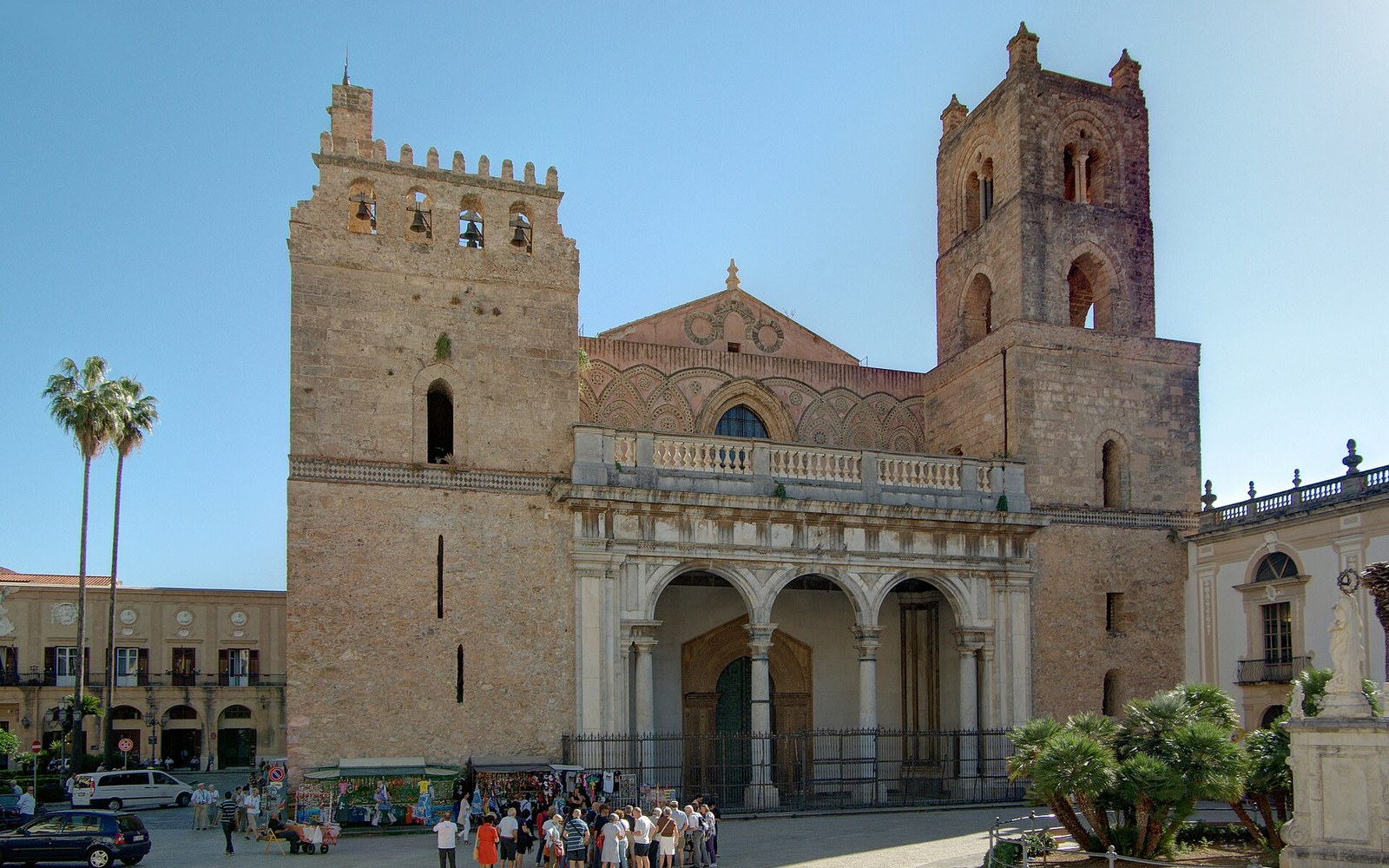
The Cathedral of Santa Maria Nuova at Monreale, in the Comune di Monreale above Palermo, contains the largest surviving cycle of medieval mosaic in the world — roughly 6,340 square metres of tesserae covering the nave, transepts, choir and apse. The building was founded by William II of Sicily in 1172 and substantially complete by the mid-1180s. The speed of its execution is itself the record: a programme of that scale, finished within a single generation, required imported Byzantine craftsmen working alongside Norman patrons who were spending at a rate the island's sugar, silk and grain revenues could sustain.
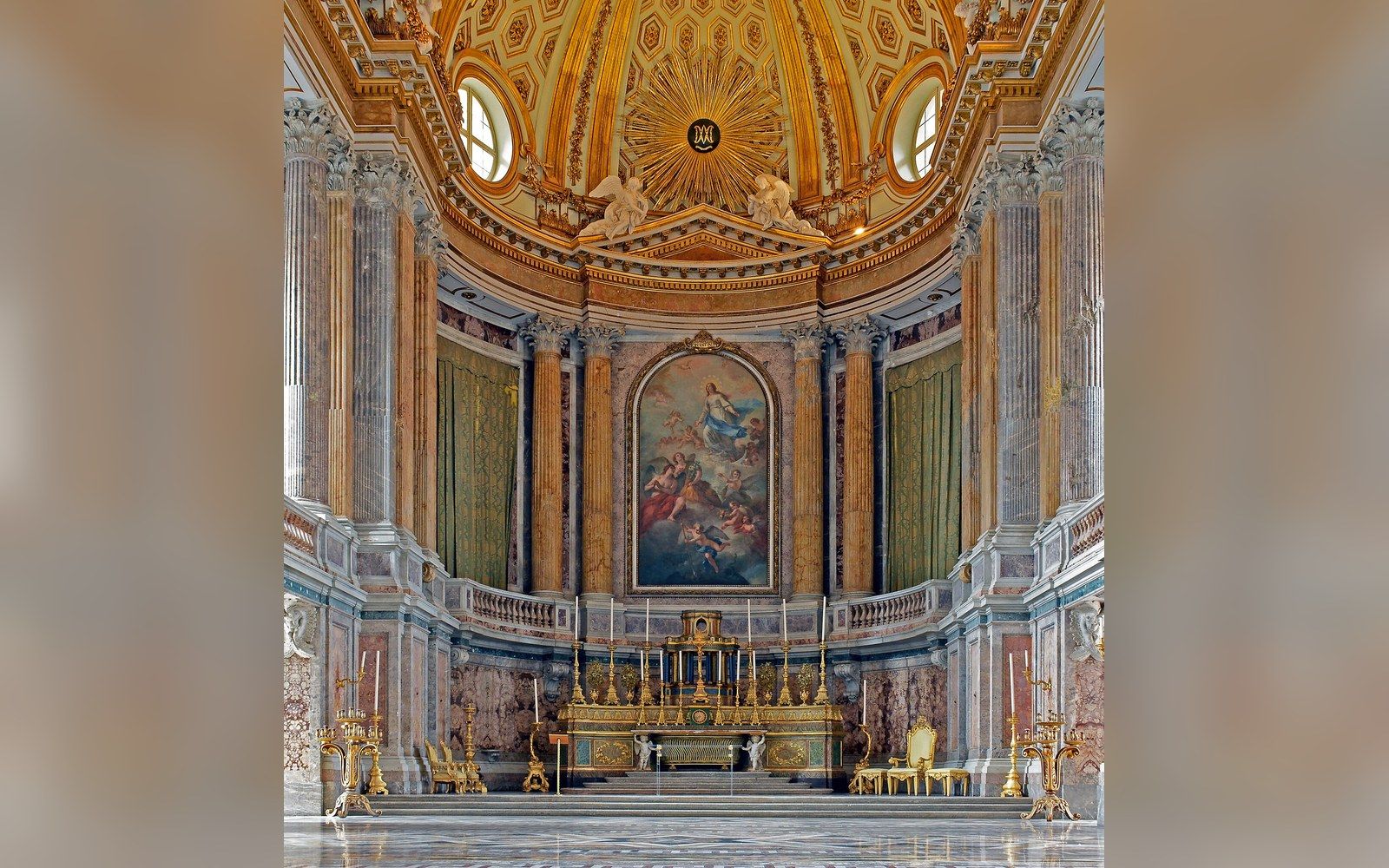
The apses carry the programme's theological centre of gravity. The conch of the central apse holds a colossal Christ Pantocrator — the all-ruling Christ — whose gold ground and hieratic scale derive directly from Byzantine workshop tradition, the same tradition at work in the Cappella Palatina in Palermo under Roger II a generation earlier. Below the Pantocrator, registers of the Virgin enthroned, apostles and saints descend in strict hierarchical order, each figure outlined in dark tessera against the gold field. The reading is doctrinal, not decorative.
Key figures
William II of Sicily
Named in the record
founder, 1172; depicted in two donor mosaics inside the cathedral
Roger II of Sicily
Named in the record
predecessor; his Cappella Palatina established the Norman-Byzantine mosaic programme Monreale extended
Byzantine craftsmen
Named in the record
unnamed in the primary record but identifiable by technique and workshop convention in the tesserae
The nave cycle departs from Byzantine precedent. Running across both walls in continuous horizontal bands, it narrates scenes from Genesis on the left and from the Gospels on the right. Scholars have identified Italo-Byzantine hands throughout, but also evidence of Western iconographic decisions — narrative detail, spatial suggestion, an interest in the legibility of individual episodes — that point to a Norman client shaping what the craftsmen produced. The programme was not simply imported; it was directed.
William II appears in two donor mosaics within the building itself. In one, Christ crowns him directly; in another, William presents the cathedral model to the Virgin. These are assertions of sacral kingship in the same visual language Roger II used at the Cappella Palatina — the Norman monarchy consistently translated its legitimacy through Byzantine pictorial means while building in a Latin liturgical plan.
Chronology
- 1172William II founds Santa Maria Nuova
- Mid-1180smosaic programme substantially complete
- 1174–89probable working window for the main mosaic campaigns
Scale and material
- ~6,340 sq m of mosaic — the largest surviving medieval cycle
- 228 paired columns in the cloister
- Tesserae: gold-ground glass fused to stone and ceramic backing, set at angles to scatter light
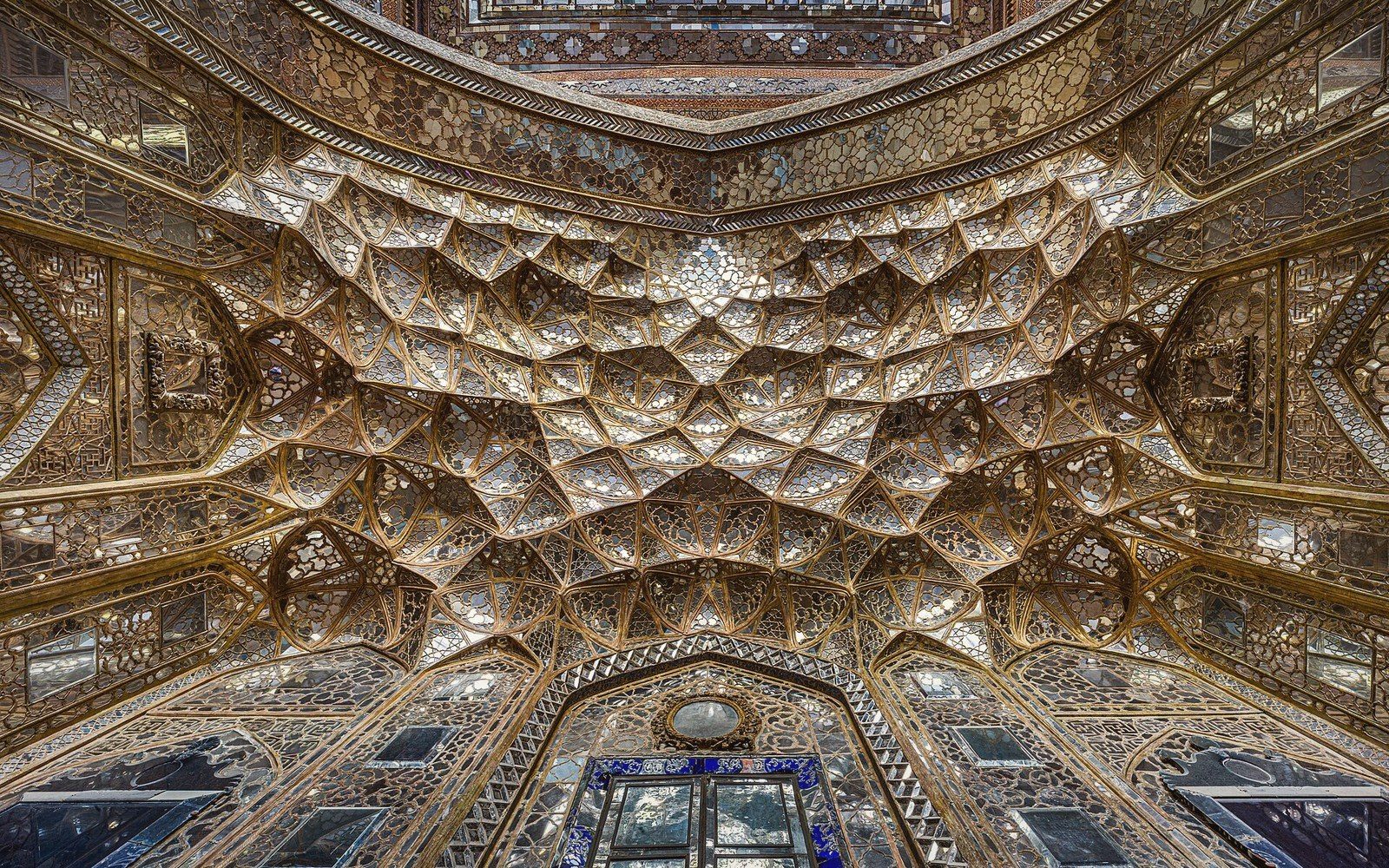
The cloister attached to the cathedral is a separate object: 228 paired columns, their capitals carved with figural and foliate ornament, several shafts inlaid with mosaic in patterns that recall Islamic geometric work. The south-west corner fountain kiosk uses muqarnas — the stalactite vaulting associated with Fatimid and North African architecture — demonstrating that the same court commissioning Byzantine mosaicists was simultaneously employing craftsmen from another tradition entirely. Monreale is not a synthesis by accident. It is deliberate accumulation, and the material record of a Norman court that treated cultural vocabulary as a resource to be deployed.
The cathedral is a UNESCO World Heritage ↗ site and is documented in the Istituto Centrale per il Catalogo e la Documentazione archive in Rome.