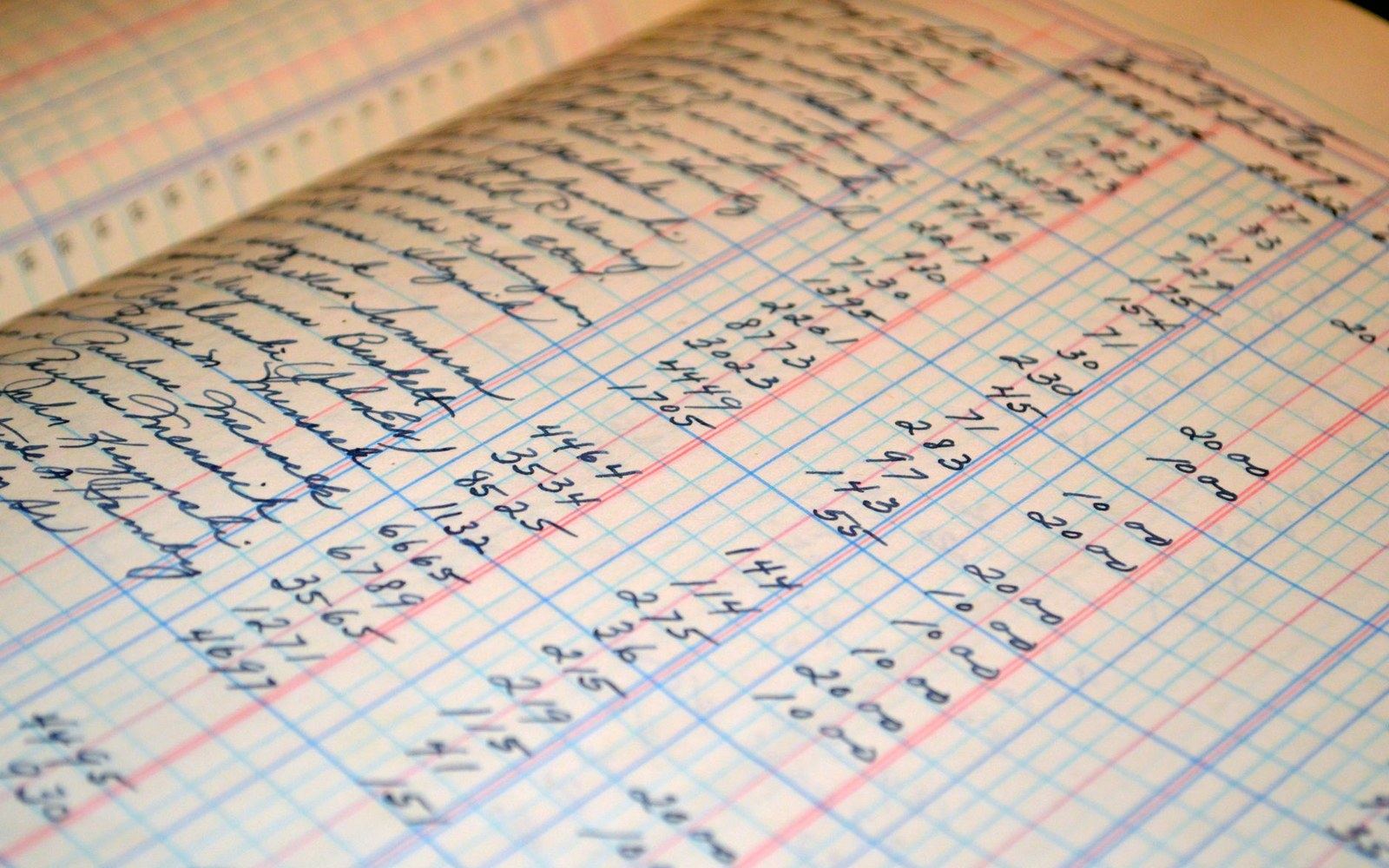
The logic is simple enough to state: every transaction enters the book twice, once as a debit and once as a credit, and when the accounts close, the two sides must agree. If they do not, something is wrong — a fraud, an error, a missing document. That self-checking quality is what made the system a tool of trust rather than merely of record, and it is why Italian merchant practice, developed across the thirteenth and fourteenth centuries, eventually became the accounting grammar of the early modern world.
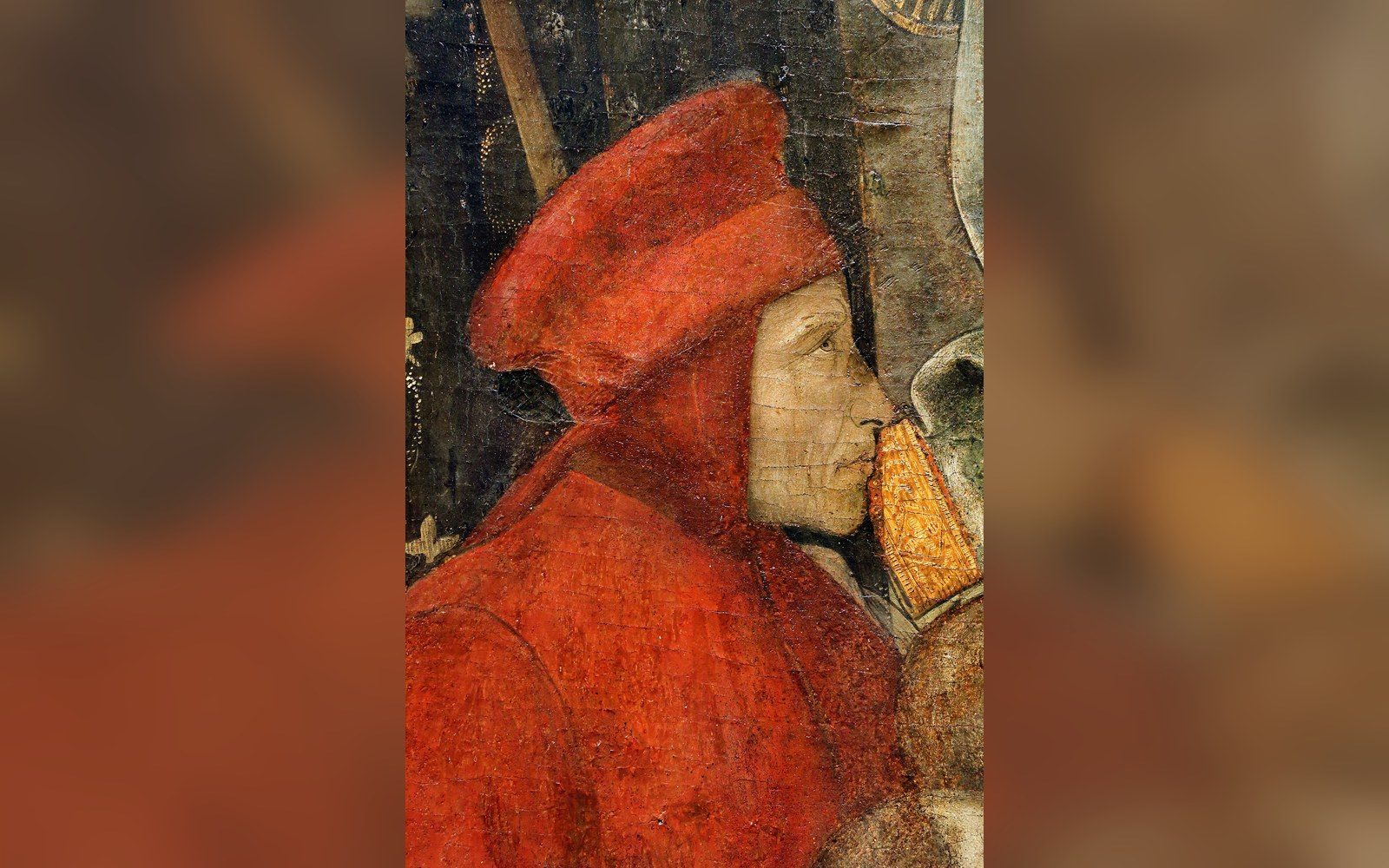
The earliest surviving ledger to show anything close to a full double-entry system is associated with the Massari of Genoa, dating to 1340, but the practice was already embedded in Florentine and Venetian commercial culture well before that date. The ragionieri — the reckoners, literally — working for the great Florentine wool and banking houses had been maintaining bilateral accounts for their partnerships and foreign branches through the late Duecento. The Arte della Lana, the Florentine wool guild, was generating sufficient commercial documentation by the mid-thirteenth century to demand rigorous internal accounting from its members; sloppy books in a cloth enterprise running wool from England and dyes from the Levant through a Florentine workshop were a route to ruin.
What the system actually required was a conceptual shift as much as a technical one. Older accounts recorded what happened: money received, money paid, goods delivered. Double entry required thinking about every transaction as a relationship between two positions — the entity that gave value and the entity that received it — and recording both. A payment to a supplier reduced cash and reduced a creditor balance simultaneously. A sale on credit increased a debtor balance and increased revenue. When the trial balance was struck, every entry had its mirror, and the ledger either proved itself or exposed its own fault.
Chronology
- Late thirteenth centurybilateral accounts in use among Florentine wool and banking companies
- 1340Massari of Genoa ledger: earliest surviving near-complete double-entry record
- Late fourteenth–early fifteenth centuryDatini enterprise uses mature double-entry across multiple branches
- 1494Luca Pacioli, Summa de arithmetica, codifies the Venetian method in print
The merchant archive at Prato offers the most vivid documentary window into this world. Francesco di Marco Datini, the cloth and wool trader who built his fortune across Tuscany, Avignon, and Catalonia in the late fourteenth and early fifteenth centuries, left behind roughly 150,000 letters and some 500 ledgers and account books, now held in the Archivio di Stato di Prato ↗. His company's ledgers show double entry in mature, systematic use: accounts maintained by branch, by partnership, and by commodity, with periodic reconciliations between offices in Florence, Genoa, Barcelona, and Majorca. The sheer volume of paper Datini's enterprise produced is itself evidence of how literacy and record-keeping had become load-bearing elements of commercial organisation, not incidental to it.
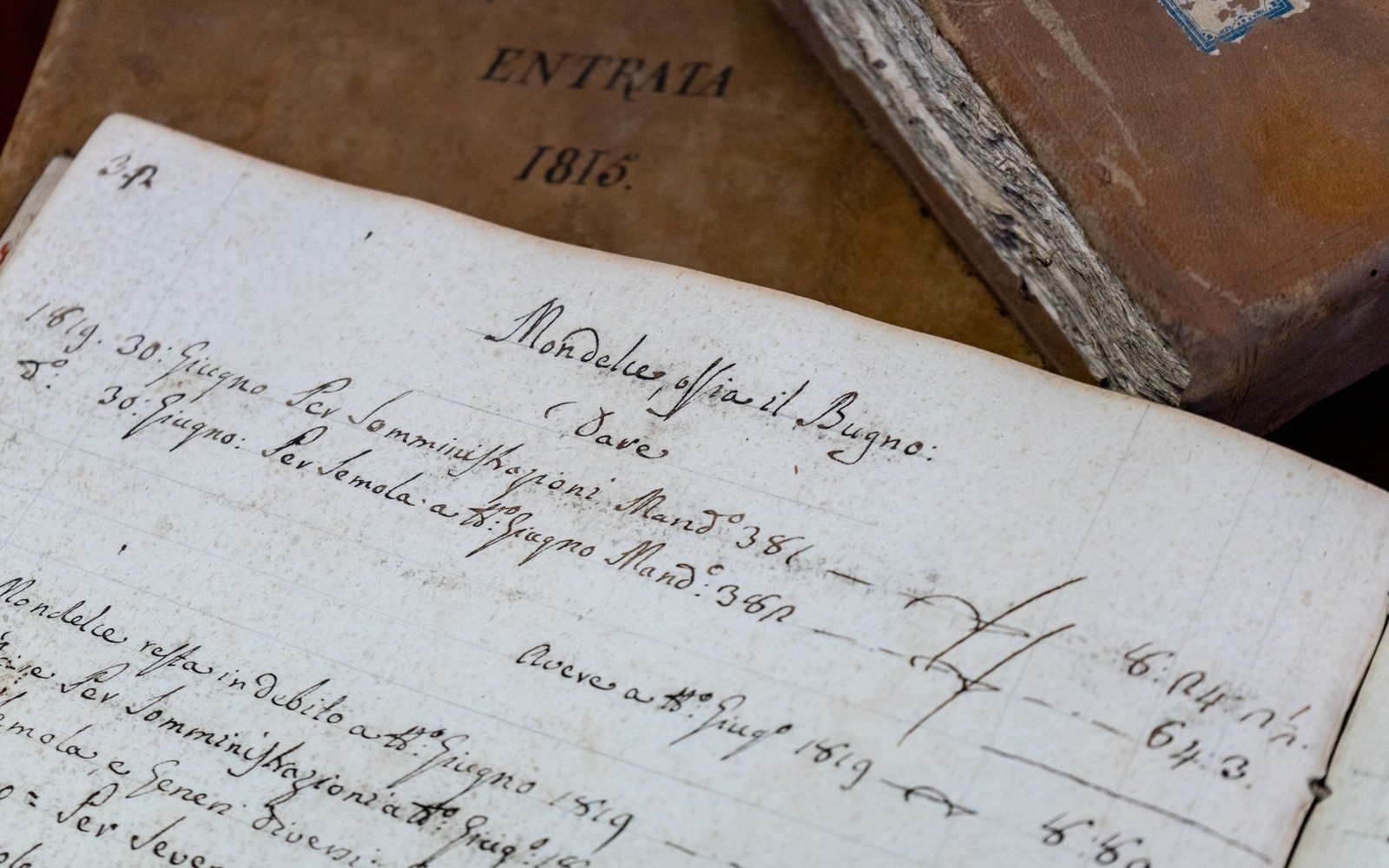
The theoretical statement that fixed double entry in the European imagination came from Luca Pacioli, the Franciscan friar and mathematician whose Summa de arithmetica, geometria, proportioni et proportionalità, printed in Venice in 1494, contained a section — the Particularis de computis et scripturis — that described the Venetian method with sufficient clarity to circulate as a practical manual. Pacioli was not inventing; he was codifying what Venetian and Tuscan merchants had been doing for generations. But print made the codification portable, and within decades the system was being taught and used from Antwerp to Lyon to Seville.
The instrument that made double entry work across distance was the bill of exchange: a written order to pay a specified sum in a different currency at a different place, which transferred purchasing power without moving coin. Each bill generated entries in the books of at least four parties — drawer, payee, payer, and the correspondent who settled — and tracking those entries without bilateral accounting was practically impossible. The two instruments evolved together, each demanding the rigour the other made possible.

Key terms
| Term | What it means |
|---|---|
| ragionieri | "reckoners"; professional accountants employed by Italian merchant firms |
| Particularis de computis et scripturis | Pacioli's 1494 treatise section on bookkeeping; the first printed manual of double-entry method |
| Trial balance | the periodic check in which all debit and credit totals are summed; agreement proves internal consistency |
What the ledger recorded was also, in effect, a moral claim. Italian commercial culture framed honest accounting as an obligation — to partners, to creditors, to the commune that taxed and regulated trade. Datini's own correspondence is full of the anxiety of a man who understood that the books, if they did not balance, condemned him. The self-verifying structure of double entry was not administrative elegance for its own sake. It was a mechanism for making trustworthiness visible, legible, and — when necessary — disprovable. That combination of utility and accountability is why it survived.