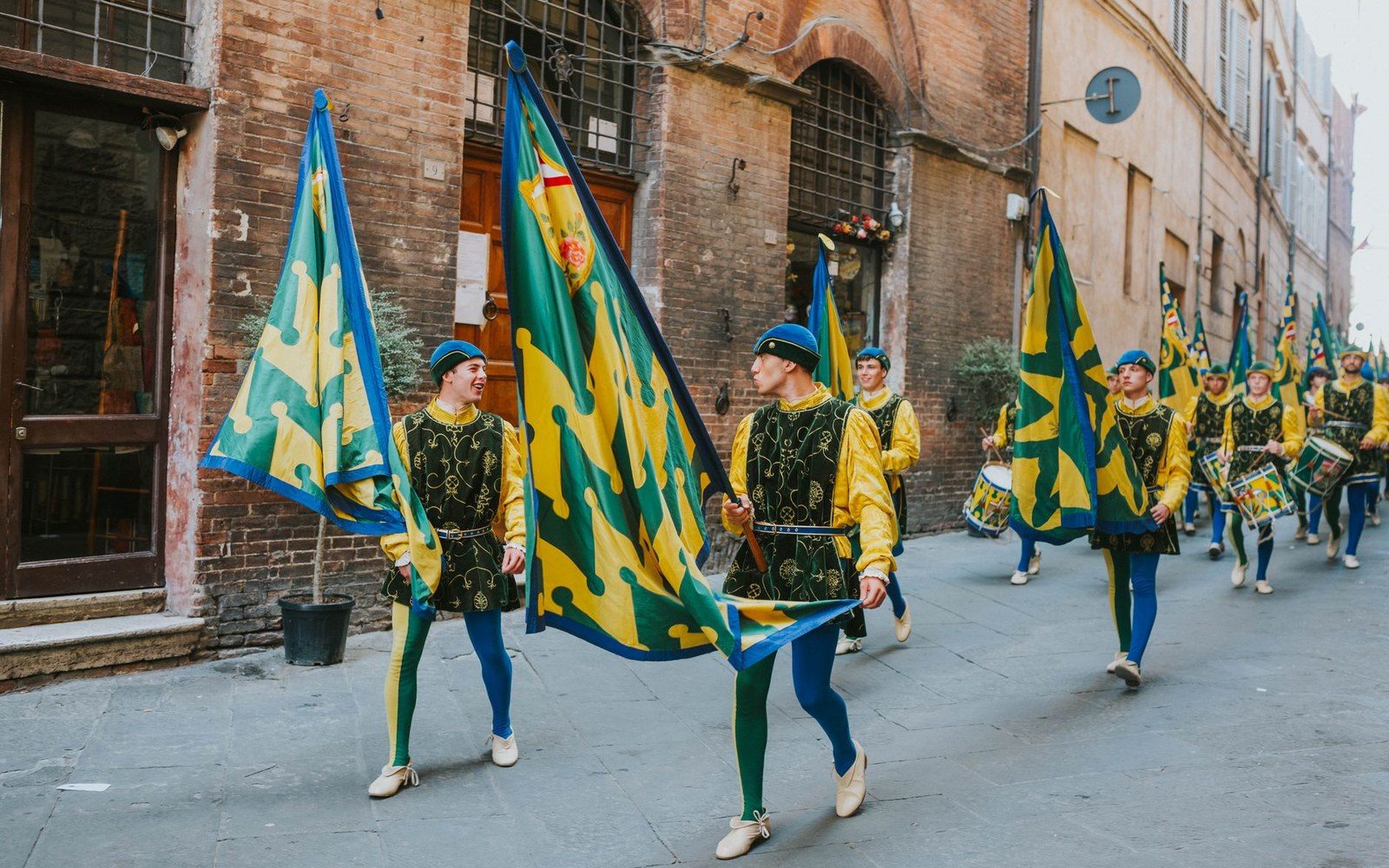
A medieval university's curriculum was a fixed ladder — you climbed it in order or not at all.
The studium (plural studia) was the institutional name for a medieval university — the organised place of learning that held the licence to teach, not a building. Bologna, organised by its students in the late eleventh century, became the model for legal education; Paris shaped the arts and theology curriculum that spread south into Italy.
Curriculum structure
- Triviumfirst tier: grammar, rhetoric, logic; prerequisite for all higher study
- Quadriviumsecond tier: arithmetic, geometry, music, astronomy
- Higher facultieslaw, medicine, theology; entered only after the arts sequence
- Licentia docendithe licence to teach; the terminal degree
Entry meant the trivium: grammar, rhetoric, and logic, in that sequence. Grammar meant Latin grammar at a level far beyond the elementary — Priscian and Donatus were the standard texts. Rhetoric followed, grounded in Cicero. Logic, drawn from Aristotle's Organon, completed the lower tier and was the true gateway: without demonstrated command of syllogistic argument, a student could not proceed. Most never did.
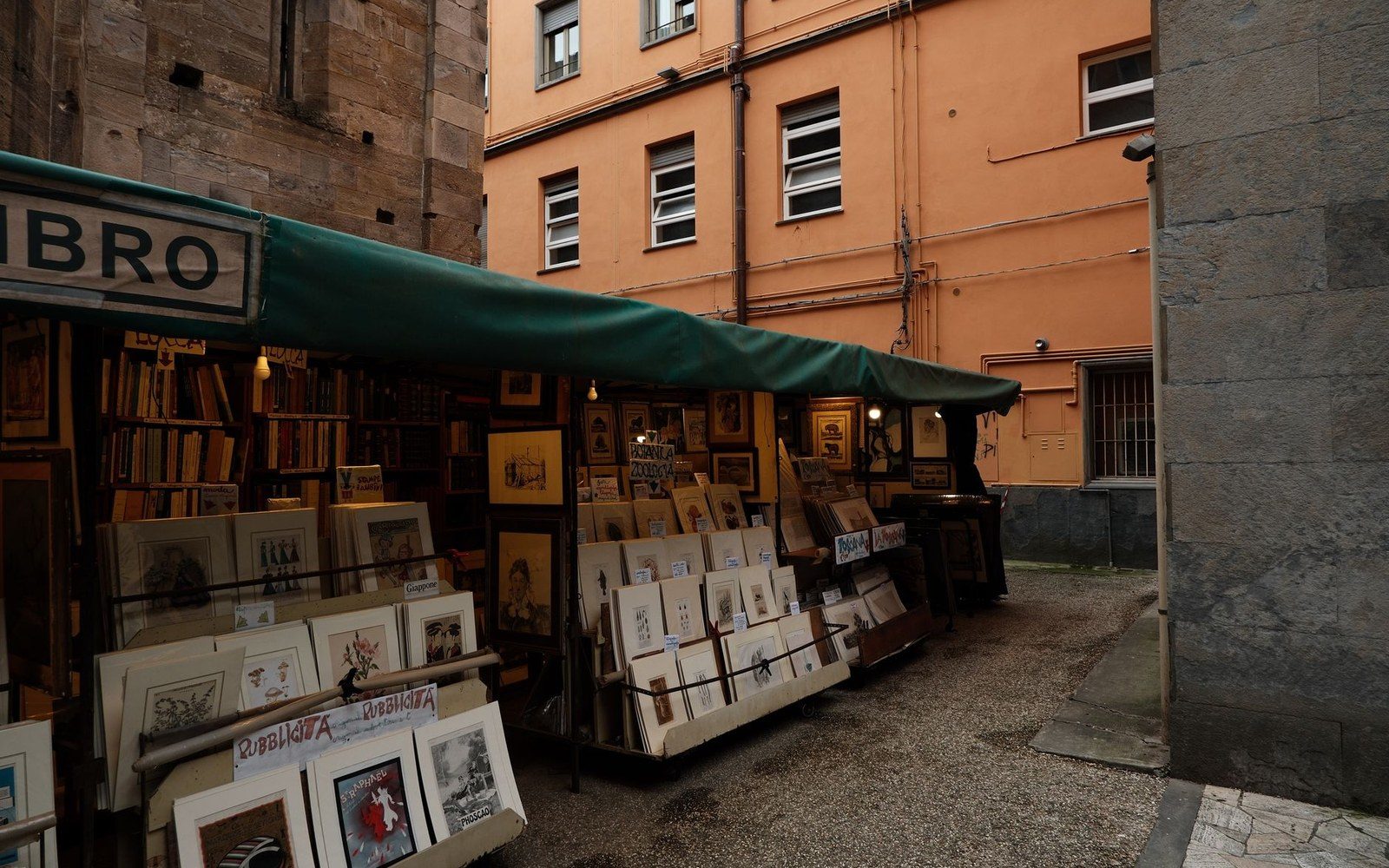
Those who passed moved to the quadrivium — arithmetic, geometry, music, and astronomy — and from there into the higher faculties: law, medicine, or theology. At Bologna, Roman law as codified in Justinian's Corpus Juris Civilis was the engine of the whole institution. Professors lectured from the text; students copied, disputed, and were examined orally. The licentia docendi, the licence to teach, was the terminal qualification — it signified mastery sufficient to transmit, not merely to receive.
Terms
| Term | What it means |
|---|---|
| Studium | the institution, not a building; the organised place of licensed teaching |
| Studium generale | an institution whose degrees were valid across Christendom, confirmed by charter |
| Corpus Juris Civilis | Justinian's codification of Roman law; the foundational text at Bologna |
| Pecia | a rented section of a standard manuscript exemplar |
Lectures were delivered in Latin and paced by the academic calendar, with the professor reading from an authoritative text and glossing it aloud. The pecia system — sections of a standard exemplar rented out so multiple scribes could copy simultaneously — made the necessary texts available without requiring a student to own a complete manuscript. The studium generale, an institution whose degrees were recognised beyond its own city, was formally distinguished from the local studium particulare by papal or imperial charter. Bologna held both imperial and papal recognition by the thirteenth century, which is why its graduates could teach anywhere in Christendom.